


Orchard Machine Selection: Why Horsepower Is Not the Only Thing That Matters
Fit the Orchard, Not Just the Field
The first thing to consider is whether the machine can move through the orchard safely. Row spacing is an important factor, but the average row spacing does not always show the real working space.
For example, an orchard may have 2.6 meters between tree trunks, while the actual free space between the canopies is much narrower. Branches may extend into the working area, and some sections, especially near the ends of rows, may be narrower than the main working area.
For this reason, farmers should check the actual usable space between the trees, with particular attention to the narrowest areas. The machine needs enough room to move between the rows without damaging the trees.
Match the Machine and Implement
After confirming that the machine can fit through the rows, the next step is to consider the implement.Most orchard operations are not carried out by the machine alone. Mowing, spraying and rotary tilling require different implements, and their width and working position can change the space needed during operation.
A machine may have enough room to pass through a row by itself, but a wider mower or other implement may leave less clearance around the trees. Therefore, farmers should consider the complete working combination: the machine, the implement and the available orchard space.
The goal is not simply to choose the narrowest machine, but to find a machine and implement combination that can work properly within the orchard.
Consider the Ground and Terrain
Once the working space and implement requirements are clear, the next question is whether the machine can handle the actual ground conditions.Orchards can be flat, sloped, dry, wet or soft. After rain, for example, soil conditions can change quickly and affect traction and stability.
For this reason, orchard machine selection should consider more than engine power. The machine's structure, traction and stability also matter, especially when working on slopes or difficult ground.
A machine that performs well on flat farmland may not provide the same working performance in a sloped or wet orchard.
Plan for the Whole Working Cycle
The machine also needs to complete more than the work inside one row.
A typical operation involves entering the row, carrying out the work, reaching the headland, turning and entering the next row. If the headland does not provide enough space for the machine and implement to turn, the machine may have difficulty completing the next pass.
Therefore, the turning area should be considered together with the working rows. The machine needs to fit not only the orchard rows, but also the complete working process.
Choose the Power for the Job
Only after considering the orchard space, implement, ground conditions and working process can farmers determine how much horsepower they actually need.
Different operations place different demands on a machine. Mowing, spraying and rotary tilling do not require exactly the same level of power.The better approach is to start with the work that needs to be done and then choose the power and machine configuration that can handle it.
In orchard farming, horsepower determines what the machine can do, while orchard conditions determine how well it can do it.
LINKSY
65HP
Intelligent Platform
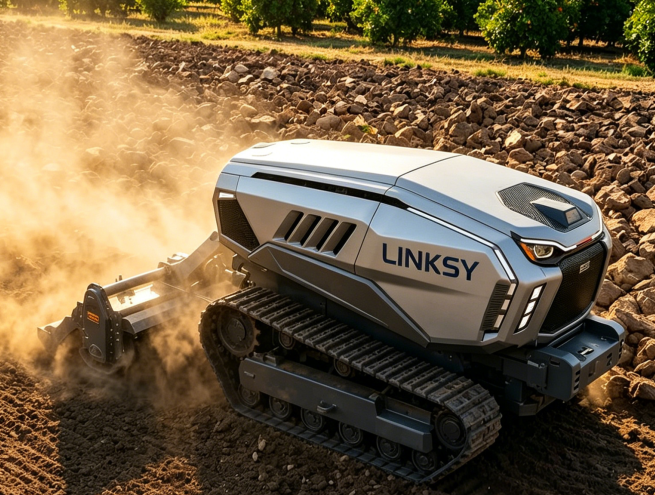
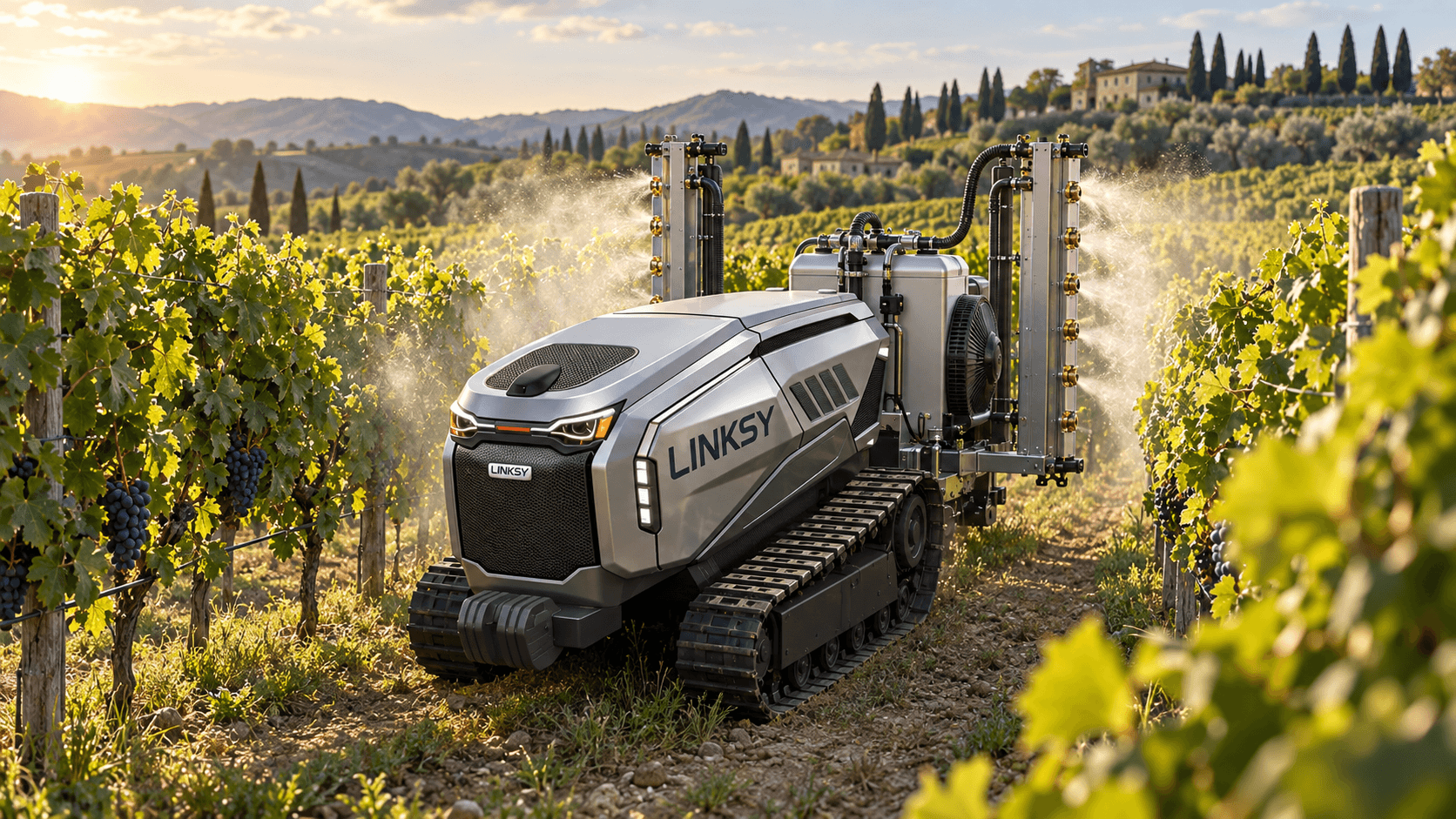
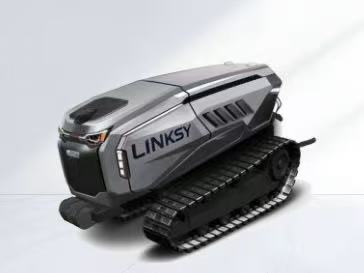
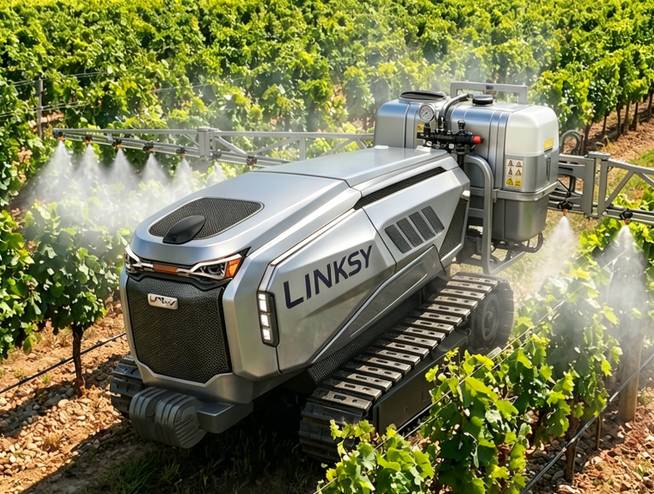
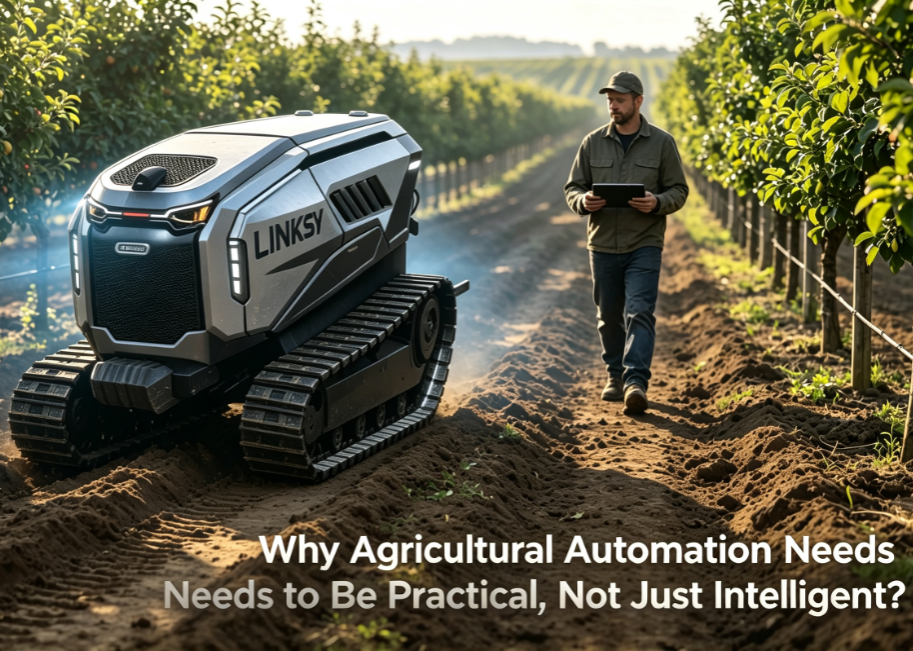
Based on this approach, SENYTA developed the LINKSY 65HP for orchard and hilly farming applications.
The machine provides 65 HP of power with an overall width of approximately 1.45 meters. This combination is designed to balance working power with the need to operate within limited orchard space.
Its tracked structure provides traction and stability for different ground conditions. The LINKSY 65HP can also be matched with different implements, including mowers, sprayers and rotary tillers, supporting several common orchard operations with one machine platform.
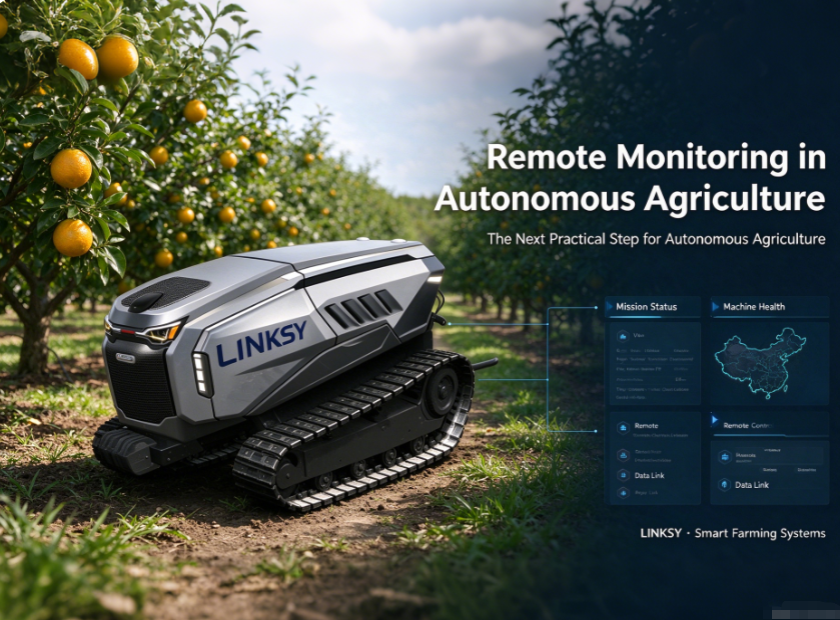
For repeated field work, the machine can also be equipped with Qianxing navigation, helping it follow planned routes more consistently.
Choosing the Right Machine Starts With the Job
There is no single specification that can determine whether a machine is right for an orchard.
Horsepower is important, but it should be considered together with the available working space, the implements that will be used, the ground conditions and the complete working process.
For orchard operations, the goal is not simply to choose a machine with more power. It is to choose a machine that can fit the orchard, handle the required work and complete that work reliably from one row to the next.