
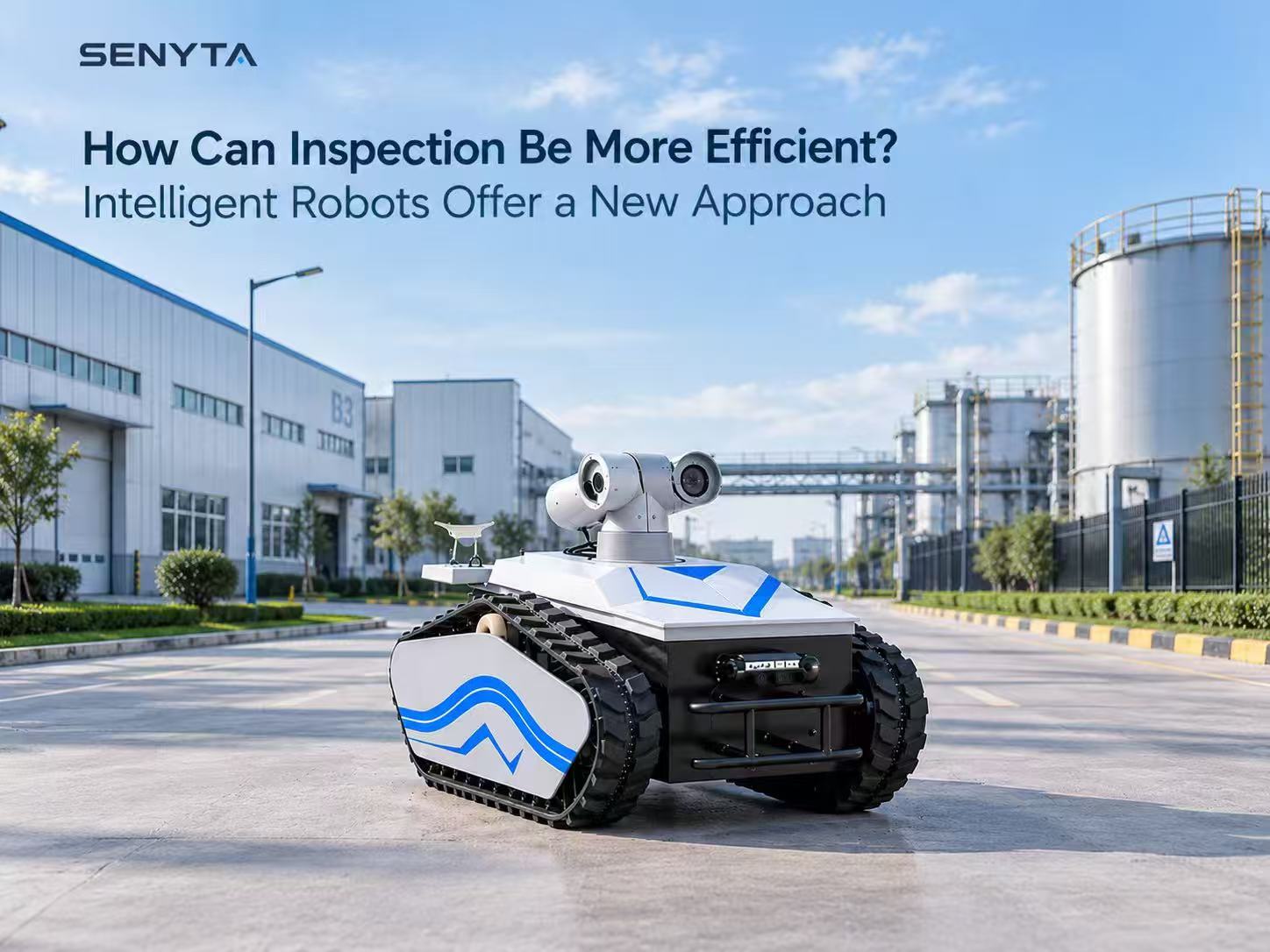

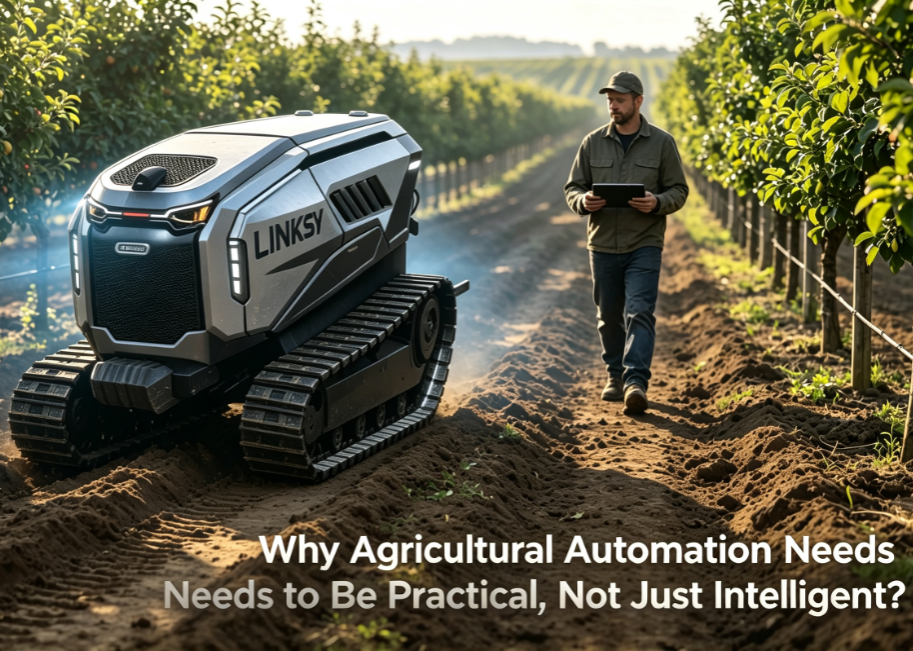
How Can Inspection Be More Efficient? Intelligent Robots Offer a New Approach
From Manual Inspection to Intelligent Inspection
Traditional inspection usually depends on people walking through a certain area and checking conditions by themselves. This method can work well for small areas, but it becomes more difficult when the area is large or the same route needs to be checked again and again.
An intelligent inspection robot offers another way to handle these routine tasks. It can move along planned routes and carry out repeated inspection work with less direct human control. With positioning technology, route recording and automatic operation, the robot can help make inspection more regular and organized.
The purpose is not simply to replace people. Instead, the robot can take care of repetitive movement and routine tasks, while people can spend more time checking information, finding problems and making decisions.
Adapting to Different Inspection Environments
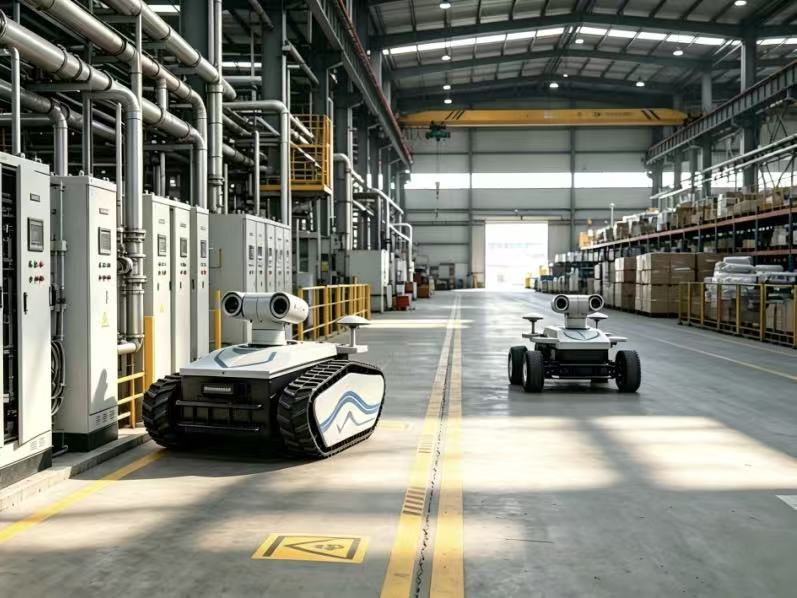
Different working environments have different inspection needs. An inspection robot therefore needs to move reliably and provide flexible ways of working.
With GNSS/RTK positioning, the robot can follow planned routes more accurately. Its route recording function allows inspection routes to be saved and used again, which is useful for regular inspection.
The robot can also work automatically along a planned route. When people need to take control, remote control provides another way to operate the machine.
These functions allow the inspection robot to work in different outdoor environments and support different daily inspection tasks.
Supporting Multiple Inspection Scenarios
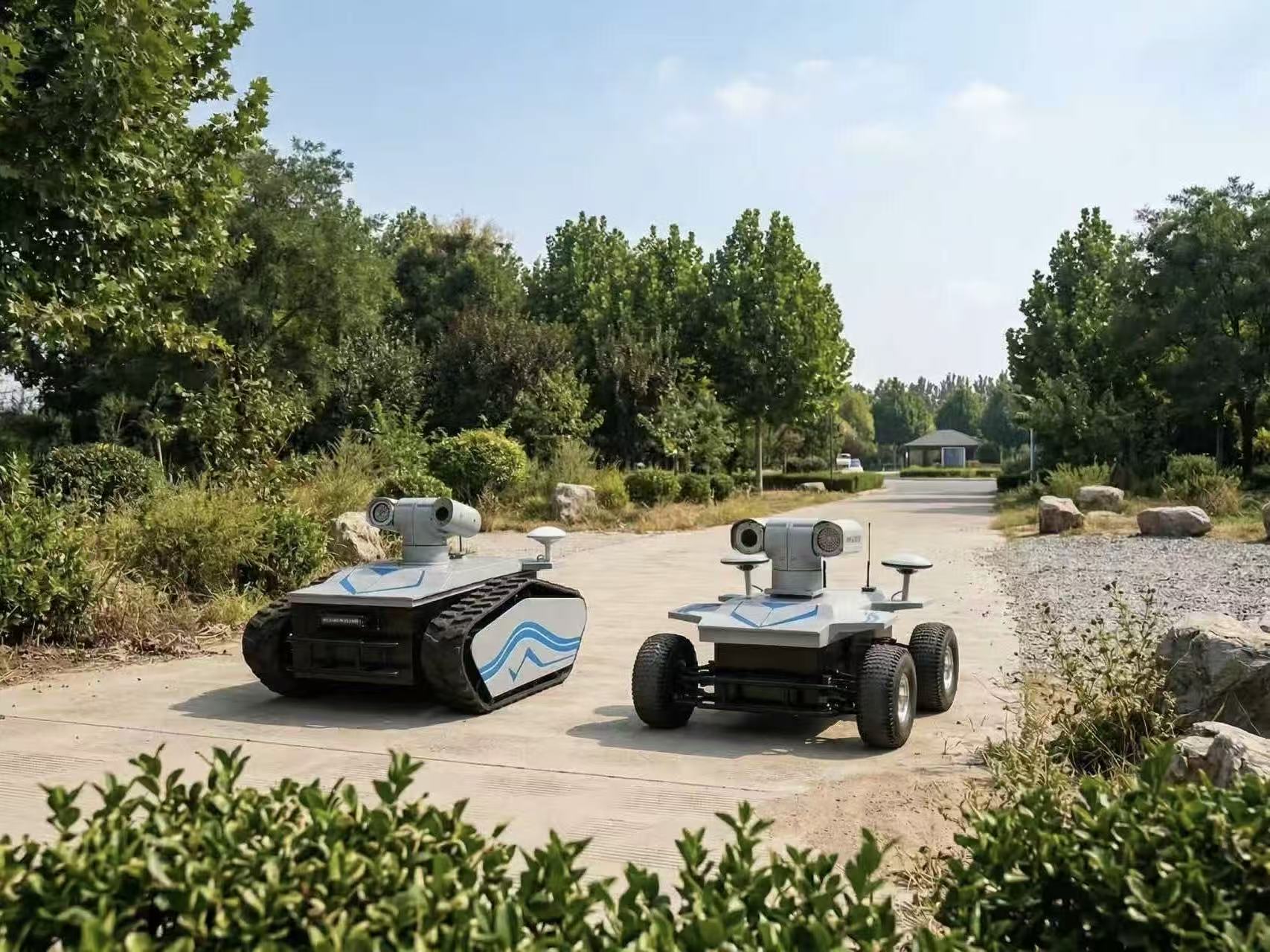
An intelligent inspection robot is not limited to one type of work or one industry.
In industrial areas, it can support regular inspection around working areas and facilities.
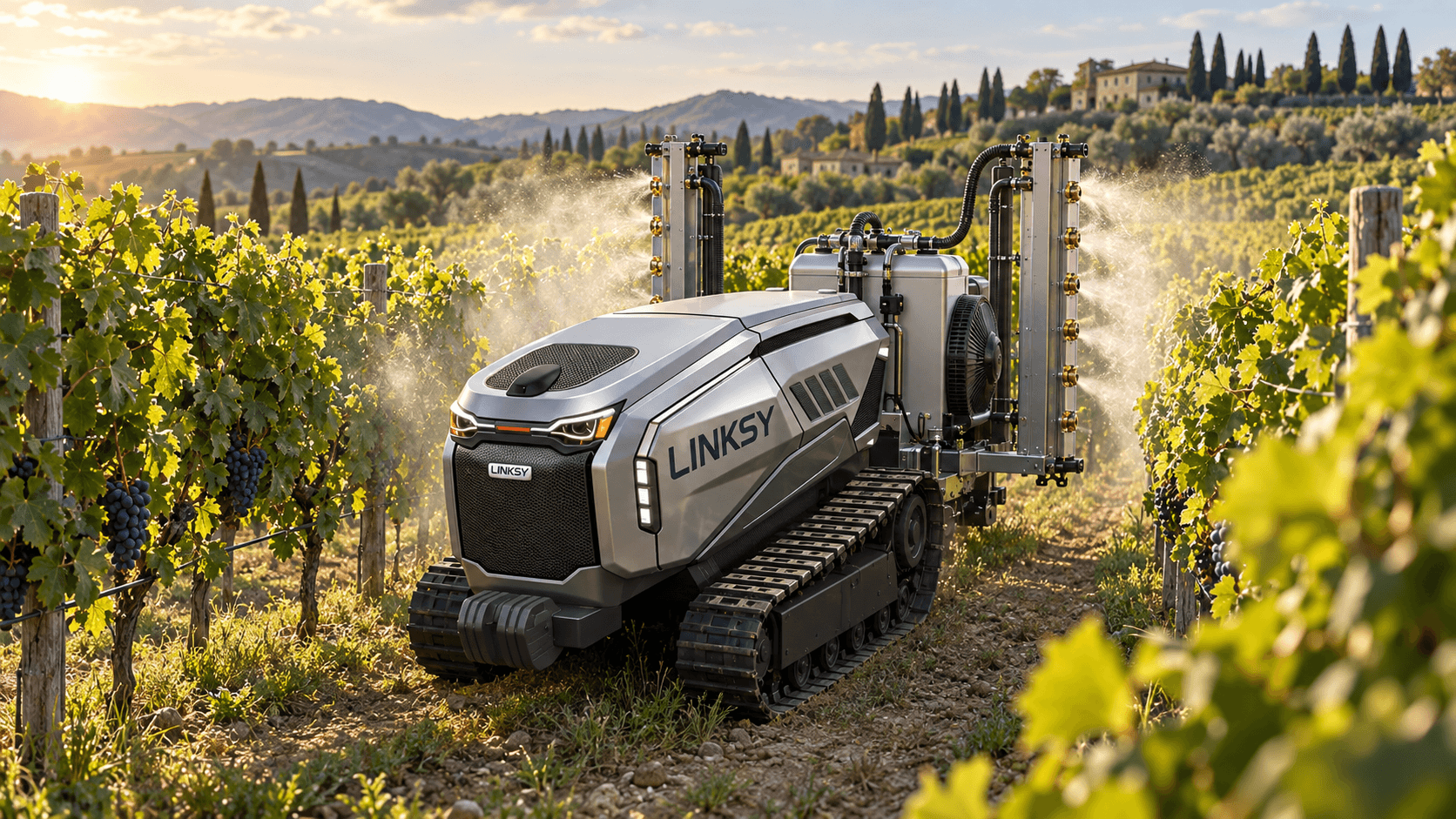
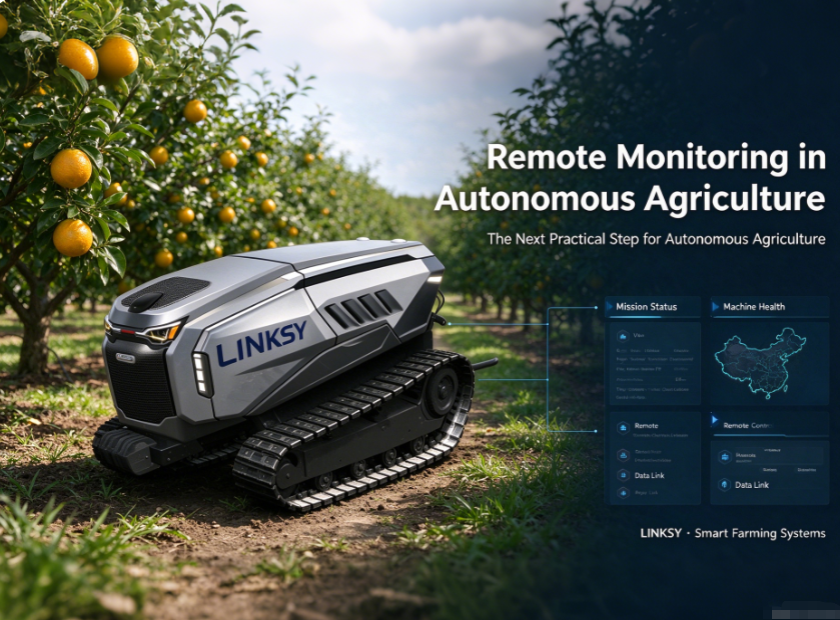
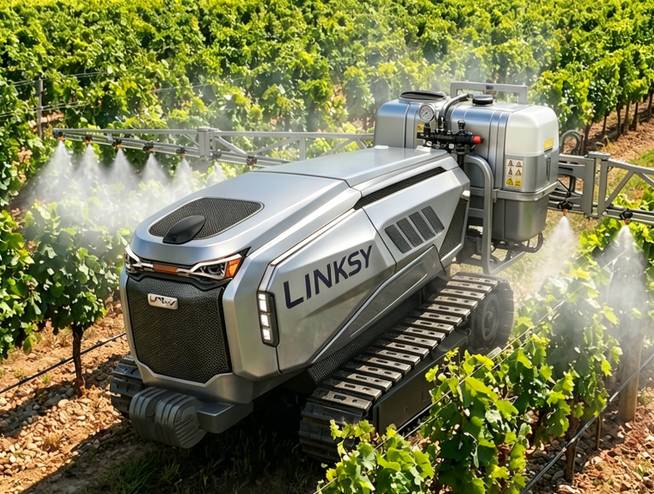
In agricultural areas, it can be used for routine inspection in orchards, fields and other farm areas.
In parks and large outdoor spaces, it can follow planned routes for repeated patrol and inspection.
In energy and other outdoor sites, it can also provide support for regular inspection work.
The exact task may be different in each place, but the basic need is similar: people need to check a certain area regularly and in an efficient way.
Improving Inspection Efficiency and Management
The value of an intelligent inspection robot is not only that it can move by itself. More importantly, it can reduce the amount of repetitive work that people need to do.
By following planned routes, the robot can help reduce repeated walking across large areas. Precise positioning can make routes easier to follow, while route records can help people organize repeated inspection tasks.
This allows workers to spend less time on routine movement and more time on tasks that need human judgment, such as checking conditions, dealing with problems and making decisions.
In this way, the inspection robot can help improve both inspection efficiency and daily work management.
Toward Smarter Inspection and Management
As inspection needs continue to grow in different industries, intelligent robots are providing a new way to handle routine inspection work.
By combining mobile robots, accurate positioning and digital tools, intelligent inspection robots can make daily inspection more efficient and easier to organize.
From farms and parks to factories and other large outdoor areas, inspection robots can help reduce repetitive work and support a more efficient way of managing everyday inspection tasks.